
Bricktown is more than Oklahoma City’s premier entertainment district, it’s where the city’s story began. Established in 1889 and shaped by railroads, red-brick warehouses, and industry, Bricktown grew from Oklahoma City’s earliest center of commerce into one of the most popular places to visit in OKC today.
Once known as the Wholesale District, Bricktown now blends historic preservation with modern attractions, offering visitors dining, nightlife, sports, museums, and walkable waterfront experiences. Its evolution mirrors Oklahoma City’s resilience and reinvention, making Bricktown a must-see stop for anyone planning a visit.
As you explore this guide, you’ll discover the stories that built Bricktown, and find inspiration for where to eat, what to see, and how to experience this iconic Oklahoma City district for yourself.
Bricktown’s Beginnings
Shortly after the Land Run of 1889, the area east of the Santa Fe railroad tracks was established as an outpost of Fort Reno to help maintain law and order in the newly founded city.
When the troops withdrew, development accelerated. Supported by rail lines, brick-paved streets, and sturdy industrial buildings, the area quickly became Oklahoma City’s primary warehouse and distribution hub. It soon earned the name the Wholesale District.<
Bricktown served as a regional center for agriculture, cotton, and manufacturing. Its warehouses fueled Oklahoma City’s early growth and housed companies such as First State Ice, Oklahoma Sash & Door, Oklahoma City Hardware, Iten Biscuit Company, Walter William’s Candy, Steffen’s Dairy, and Oklahoma City Furniture Manufacturing.
The district was also closely tied to the nearby all-Black neighborhood of Deep Deuce. Douglass High School, built in the area, educated generations of students, including jazz legends Jimmy Rushing and Charlie Christian, who were taught by renowned music educator Zelia N. Breaux
Today, visitors can still walk Bricktown’s original brick streets and see many of these preserved warehouses, now home to restaurants, shops, hotels, and attractions.
Many of Bricktown’s original structures remain, offering a tangible connection to Oklahoma City’s early days. Notable buildings include:
- Baden Wholesale Grocery Building (1902) – 114 E. Sheridan
- Glass Building (1906) – 124 E. Sheridan
- Confectionary Building (1906) – 126 E. Sheridan
- Rock Island Plow Building* (1909) – 29 E. Reno
- Kingman-Moore Building* (1910) – 100 E. California
- Mideke Building* (1919) – 100 E. Main
- Awalt Building (192?) – 101 E. Sheridan
- Miller Jackson Building* (1902) – 121 E. California
- Wells Fargo & Company Livery Stable* (1906) 115 E. Reno
- Sherman Machine & Iron Works Building* (1905) 26 E. Main
- Avery Building* (1907) – Chilenos –15 E. California
- Oklahoma Hardware Building* (1912) 27 E. California
- Stanford Furniture Building* (1912) 1 E. Sheridan
- William L. Bradford Building* (1909) 2 E. California
- Merchants Transfer & Storage* (1909) 19 E. California
- JL Case Plow Building* (1909) 2 E. California
- Hunzicker Building (Jim Brewer Building) – 101-103 E. California
- Federal Corporation (1918) 120 E. Main
- Iten Biscuit Company (1913) 100 SE 2nd
- Oklahoma City Furniture Manufacturing – 101 E. Sheridan
*Listed on the National Register of Historic Places
Decline of the Wholesale District
A major fire at the nearby Cotton Exchange Building marked the first of several setbacks, followed by the Great Depression’s impact on wholesale and railroad businesses.
As rail spurs closed and commerce slowed, many buildings were abandoned or boarded up. Douglass High School closed, and by mid-century, Bricktown had fallen quiet.
Urban renewal cleared much of downtown west of the Santa Fe tracks, but Bricktown’s warehouses survived, waiting for a new purpose.
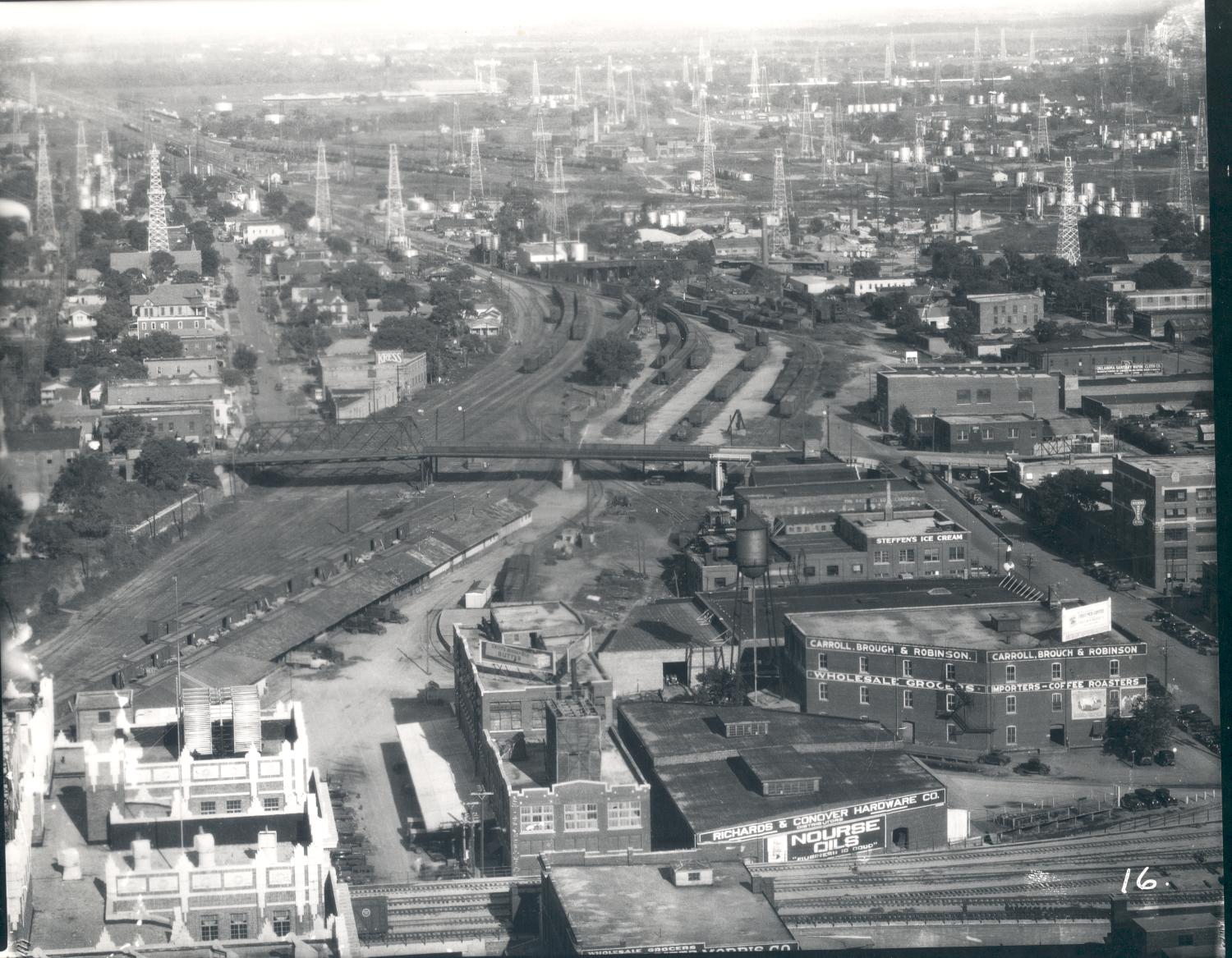
Meyers Photo Shop. Bricktown, photograph, Date Unknown;
The Gateway to Oklahoma History, Oklahoma Historical Society.
A Vision for Revival
In the 1980s, developer Neal Horton saw potential in Bricktown’s historic buildings, inspired by preservation success stories like Denver’s Larimer Square. Along with partners Bill Peterson and John Michael Williams, Horton began purchasing and restoring warehouses through the Warehouse Development Company.
The vision was bold: a mixed-use district featuring local restaurants, small shops, offices, and hotels that would attract both residents and visitors. During this period, the name “Bricktown” was coined.
The momentum was halted by the collapse of Penn Square Bank and Oklahoma’s oil bust, which forced Horton into bankruptcy despite early renovation successes. While progress stalled, his groundwork preserved Bricktown for the revival that would follow.
Entertainment Sparks Renewal
In the mid-1980s, local entrepreneurs became Bricktown’s champions. Jim Brewer, Jim Tolbert, and Don Karchmer invested early and helped reintroduce life to the district.
Brewer opened Bricktown’s first entertainment attraction, the Bricktown Haunted Warehouse, in 1985. Restaurants soon followed, including Spaghetti Warehouse in 1989 and Bricktown Brewery in 1992.
Brewer continued to open more nightclubs and hosted festivals and events to attract crowds to Bricktown; other businesses followed and established Bricktown as a nightlife destination.
Festivals, nightclubs, and live entertainment drew crowds and reestablished Bricktown as a nightlife destination, many of whose pioneering venues remain part of the district’s character today.
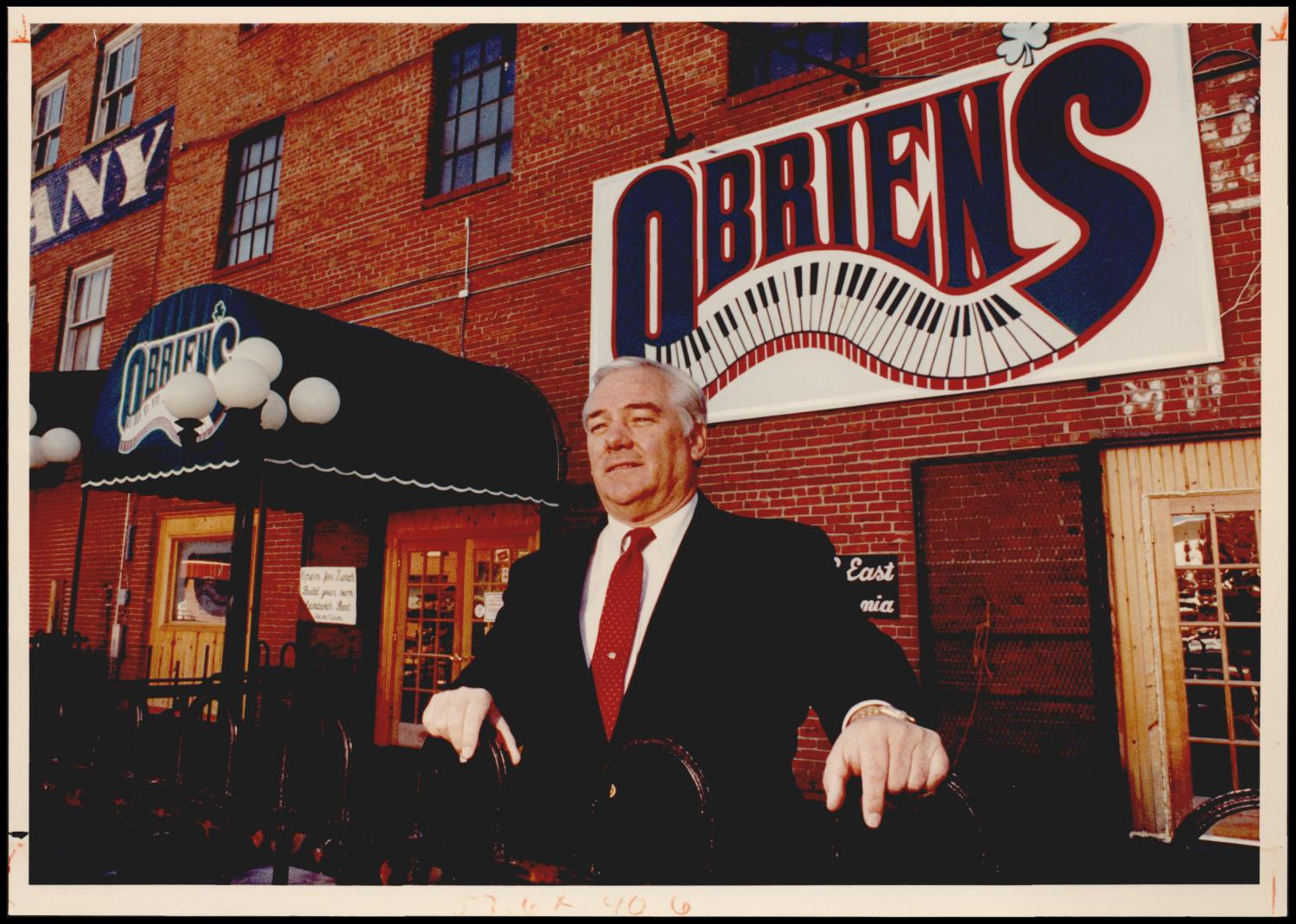
“Jim Brewer, Bricktown’s major property owner and president of the Bricktown Association, shows off his pub, O’Brien’s, the friendly bar with pianos on the walls and peanut hulls on the floor.”
McDaniel, David. [Photograph 2012.201.B0105.0413], photograph, November 13, 1990; The Gateway to Oklahoma History, Oklahoma Historical Society.
MAPS Transformation
Oklahoma City’s MAPS (Metropolitan Area Projects) initiative, a voter-approved penny sales tax program, marked a turning point for downtown revitalization in 1993.
Bricktown became home to two signature MAPS projects:
Chickasaw Bricktown Ballpark
Bricktown Canal
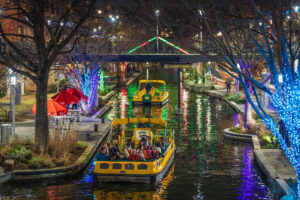
Completed in 1999, the mile-long Bricktown Canal transformed California Avenue into a waterfront destination and cost $23 million. Excavation exposed warehouse basement levels, creating unique street- and canal-level walkways now lined with restaurants, bars, and attractions.>
Nearby, the Paycom Center further cemented Bricktown’s role in Oklahoma City’s entertainment scene, hosting crowds before and after concerts, major events, and professional basketball at the arena.
Bricktown further expanded development into Lower Bricktown, anchored by Bass Pro Shops in 2003 and Harkins Theatre in 2004.
![July 1999: Opening: First load of dignitaries on a water taxi boat heads toward the ribbon to open the Bricktown canal. [THE OKLAHOMAN]](https://welcometobricktown.com/wp-content/uploads/2026/01/Prep-Opening_photo_1.jpg)
Bricktown Today
Today, Bricktown is one of Oklahoma City’s most visited districts, offering something for every traveler.
Visitors can enjoy:
- Bricktown Canal water taxi rides
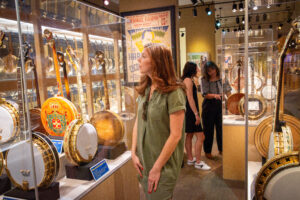
- Museums like the American Banjo Museum and Jim Thorpe Museum
- Attractions such as Brickopolis, Revolutions Bowling, and Harkins Theatre
- Live entertainment at The Criterion, Bricktown Comedy Club, and Oklahoma Ranch
- Public art and landmarks like the Centennial Land Run Monument
With sports, music, dining, and nightlife all within walking distance, Bricktown offers day-to-night experiences unlike anywhere else in OKC.
Looking Ahead
Planned improvements include streetscape upgrades, canal enhancements, lighting projects, and continued private investment. Bricktown’s future remains rooted in balancing historic preservation with thoughtful new development.
The same spirit of reinvention that built Bricktown ensures it will remain Oklahoma City’s premier entertainment district for years to come.
Plan Your Visit to Bricktown
From the Land Run of 1889 to its rebirth as Oklahoma City’s most dynamic destination, Bricktown tells the story of a city that never stopped evolving.
Whether you want to stroll the canal, catch a ballgame, explore museums, or enjoy dining and nightlife, Bricktown is where Oklahoma City’s history meets its future.
Ready to experience it for yourself? Plan your visit today and discover why Bricktown remains the heart of OKC.